
Exploring Hidden Underwater Worlds: Best Diving Locations Off the Beaten Path
Scuba diving offers the unparalleled opportunity to explore the mysteries of the ocean, revealing vibrant coral reefs, shipwrecks, and marine life in their natural habitats. While popular diving spots like the Great Barrier Reef and the Blue Hole in Belize may be on every diver’s radar, there’s an entire world of lesser-known, hidden underwater destinations waiting to be discovered. These off-the-beaten-path dive spots offer unique underwater landscapes, fewer crowds, and the chance to experience the magic of the ocean in a more intimate, pristine setting.
If you’re looking to explore some of the world’s most hidden underwater gems, here are a few dive locations that promise unforgettable experiences, far from the usual tourist crowds.
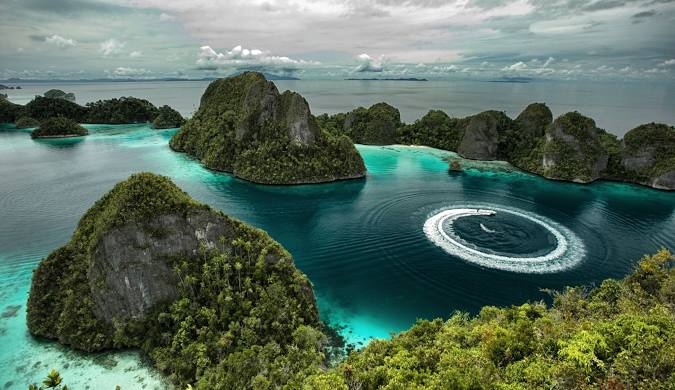
1. Raja Ampat, Indonesia: A Diver’s Paradise in the Coral Triangle
Located in the heart of the Coral Triangle, Raja Ampat is one of the most biodiverse marine environments on the planet. Situated off the coast of West Papua, Indonesia, this remote archipelago is home to over 1,300 species of fish and 600 species of coral, making it a paradise for divers seeking vibrant underwater worlds.
Why Dive in Raja Ampat?
- Stunning biodiversity: Known for its rich marine life, Raja Ampat offers the opportunity to see everything from vibrant coral gardens and manta rays to rare species like the walking shark and pygmy seahorses.
- Pristine, untouched reefs: As one of the least commercialized dive destinations, many of Raja Ampat’s dive sites remain pristine, offering the chance to explore reefs in their natural state.
- Secluded and serene: With limited access to the area, you’ll likely encounter fewer crowds, allowing you to enjoy the underwater world in peace and solitude.
Diving in Raja Ampat feels like stepping into an untouched aquarium, with crystal-clear waters and abundant marine life that makes it one of the best off-the-beaten-path dive destinations.
2. Socorro Islands, Mexico: The Underwater Kingdom of Giants
While the Socorro Islands (also known as the Revillagigedo Islands) are part of a UNESCO Biosphere Reserve, they remain relatively remote compared to other diving hotspots in Mexico. Located 240 miles off the coast of Baja California, this isolated archipelago is known for its extraordinary encounters with large marine life, making it a must-visit for adventurous divers.
Why Dive in Socorro Islands?
- Close encounters with giant marine life: The Socorro Islands are famous for their interactions with massive ocean giants, including manta rays, humpback whales, and schools of silky sharks. These thrilling encounters often happen in the islands’ crystal-clear waters.
- Less crowded, more authentic: Due to its remote location, Socorro sees fewer visitors, which means you’ll get to experience these awe-inspiring creatures without the crowds.
- Diverse dive sites: From underwater caves and dramatic rock formations to deep-water reefs, the Socorro Islands offer a variety of diving experiences for all levels.
Diving in Socorro is all about large-scale underwater drama. The experience of swimming alongside playful manta rays and giant dolphins is a memory you won’t soon forget.
3. Fernando de Noronha, Brazil: A Hidden Tropical Paradise
Fernando de Noronha is an archipelago off the coast of Brazil, known for its unspoiled beauty and diverse marine ecosystems. This UNESCO World Heritage site is a secluded paradise that offers some of the best diving in the Atlantic Ocean, attracting fewer tourists compared to other tropical destinations.
Why Dive in Fernando de Noronha?
- Pristine underwater landscapes: With its crystal-clear waters, lush coral reefs, and unique underwater rock formations, Fernando de Noronha offers a spectacular dive experience. Expect to see diverse marine life, including sea turtles, reef sharks, and schools of colorful fish.
- Cultural and natural beauty: Beyond its incredible diving, the archipelago is also known for its pristine beaches, volcanic landscapes, and wildlife like the endangered spinner dolphins that frequent its shores.
- Exclusive experience: With a limited number of visitors allowed each year, Fernando de Noronha remains a relatively exclusive destination, meaning you’ll dive in a serene and peaceful setting.
Diving in Fernando de Noronha is like stepping into a tropical paradise, where the vibrant marine life and unspoiled beauty of the island make for an unforgettable experience.
4. Palau, Micronesia: An Underwater Wonderland of Lagoons and Caves
Palau, an island nation in Micronesia, is often overlooked by many divers in favor of other Pacific dive destinations. However, this tropical paradise is home to some of the most extraordinary underwater landscapes, including pristine coral reefs, underwater caves, and mysterious blue holes.
Why Dive in Palau?
- World-class dive sites: Palau offers some of the most spectacular dive sites in the Pacific, including Blue Corner, one of the best places in the world to see sharks and large schools of fish. Other sites, like the Jellyfish Lake, are home to millions of stingless jellyfish that you can safely swim with.
- Crystal-clear visibility: With its incredibly clear waters, Palau offers ideal conditions for underwater photography and exploration. The visibility can often exceed 100 feet, allowing you to enjoy the vibrant marine life in full detail.
- Diverse marine life: From massive schools of fish to rare species like Napoleon wrasse, diving in Palau offers the opportunity to witness a wide variety of marine creatures in their natural habitat.
Palau offers an exceptional dive experience, combining vibrant coral reefs with fascinating underwater topography, making it a hidden gem for serious divers.
5. Cocos Island, Costa Rica: The Jewel of the Pacific
Cocos Island, located 300 miles off the coast of Costa Rica, is a UNESCO World Heritage site known for its rich biodiversity and dramatic underwater landscapes. Despite its remote location, this island attracts a small but dedicated group of divers looking for a truly wild and unique experience.
Why Dive in Cocos Island?
- Thrilling shark encounters: Cocos Island is famous for its large schools of hammerhead sharks, along with other species like whale sharks and tiger sharks. It’s one of the best places in the world to experience these awe-inspiring creatures in the wild.
- Crystal-clear waters: The waters around Cocos Island offer unparalleled visibility, allowing divers to explore the vibrant marine life and dramatic underwater landscapes with ease.
- Remote and peaceful: With only a limited number of liveaboard cruises available to access the island, Cocos Island remains relatively untouched by tourism, offering an intimate, pristine dive experience.
Cocos Island offers some of the best diving in the world for those seeking adventure and the thrill of swimming alongside large marine creatures in their natural habitat.
6. The Similan Islands, Thailand: A Peaceful Dive Retreat
The Similan Islands, located in the Andaman Sea off the coast of Thailand, are known for their extraordinary marine biodiversity and clear waters. While Thailand is famous for its diving spots, the Similan Islands remain a quieter and less commercialized destination compared to other well-known dive spots in the region, like Phuket or Koh Tao.
Why Dive in the Similan Islands?
- Unspoiled coral reefs: The Similan Islands are home to some of the best-preserved coral reefs in the world, offering a wide variety of marine life including turtles, manta rays, and vibrant tropical fish.
- Diverse dive sites: Whether you’re interested in wall dives, drift dives, or exploring underwater caves, the Similan Islands offer a range of dive sites to suit all levels of experience.
- Fewer crowds: The Similan Islands are a national park, with restricted visitor access, ensuring that divers can enjoy a more peaceful, serene diving experience compared to the busy beaches of Phuket.
For divers seeking tranquility and rich marine life, the Similan Islands offer an incredible opportunity to discover Thailand’s best underwater gems.
7. Vanuatu: Unexplored Depths in the South Pacific
Vanuatu, an archipelago in the South Pacific, remains one of the most underrated dive destinations. This tropical paradise is known for its unique underwater volcanoes, WWII shipwrecks, and vibrant coral reefs, making it a haven for those seeking an off-the-beaten-path diving adventure.
Why Dive in Vanuatu?
- Unique underwater volcanoes: Vanuatu is home to the world’s most active underwater volcano, making it an exciting destination for experienced divers who want to explore volcanic reefs and lava tubes.
- WWII history: The waters around Vanuatu are rich in history, with numerous shipwrecks and aircraft from World War II scattered across the ocean floor.
- Incredible marine life: In addition to its historical significance, Vanuatu is home to an abundance of marine life, including colorful reef fish, giant groupers, and sharks.
Diving in Vanuatu offers a mix of natural beauty, historical intrigue, and unique underwater features that make it an exciting destination for adventurous divers.
Conclusion
Exploring the world beneath the waves is a thrilling way to experience the beauty and diversity of our oceans, and the lesser-known diving spots offer an opportunity to discover hidden underwater worlds far away from the crowds. Whether you’re swimming alongside hammerhead sharks in Cocos Island, diving through volcanic reefs in Vanuatu, or discovering the rich biodiversity of Raja Ampat, these off-the-beaten-path dive locations promise unforgettable experiences. For divers looking to go beyond the usual hotspots, the world’s hidden underwater gems await you—ready to reveal their mysteries.
