
Introduction: Long-haul flights can be an exciting gateway to new destinations, but they often come with the unwelcome companion of jet lag. The fatigue, insomnia, and disorientation associated with crossing time zones can put a damper on your travel plans. Fortunately, there are effective strategies to minimize jet lag and stay energized on your journey. In this blog post, we’ll share practical tips to help you avoid jet lag and make the most of your travels.
1. Gradually Adjust Your Schedule Before Departure:
Tip: A few days before your trip, start adjusting your sleep schedule to align with your destination’s time zone. If you’re traveling east, go to bed an hour earlier each night; if you’re traveling west, stay up an hour later. Benefit: Gradually shifting your sleep pattern helps your body acclimate to the new time zone, making the transition smoother.
2. Stay Hydrated:
Tip: Drink plenty of water before, during, and after your flight. Avoid alcohol and caffeine, as they can dehydrate you and disrupt your sleep patterns. Benefit: Staying hydrated keeps you refreshed and reduces the effects of jet lag, such as headaches and fatigue.
3. Use Light Exposure to Your Advantage:
Tip: Exposure to natural light helps regulate your body’s internal clock. Spend time outside during daylight hours at your destination, and consider using a light therapy box if you’re traveling during the winter months. Benefit: Adjusting to the local light patterns helps reset your circadian rhythm, reducing jet lag symptoms.
4. Get Plenty of Rest Before Your Flight:
Tip: Ensure you’re well-rested before embarking on your journey. Avoid staying up late packing or stressing about your trip. Benefit: Starting your trip well-rested means you’ll be better equipped to handle the physical and mental demands of travel, reducing the impact of jet lag.
5. Consider Your Flight Timing:
Tip: If possible, book flights that arrive at your destination in the early evening. This timing allows you to stay awake for a few hours and then go to bed at a reasonable local time. Benefit: Arriving in the evening helps you adjust to the new time zone more quickly by syncing with the local night-time schedule.
6. Sleep Strategically During the Flight:
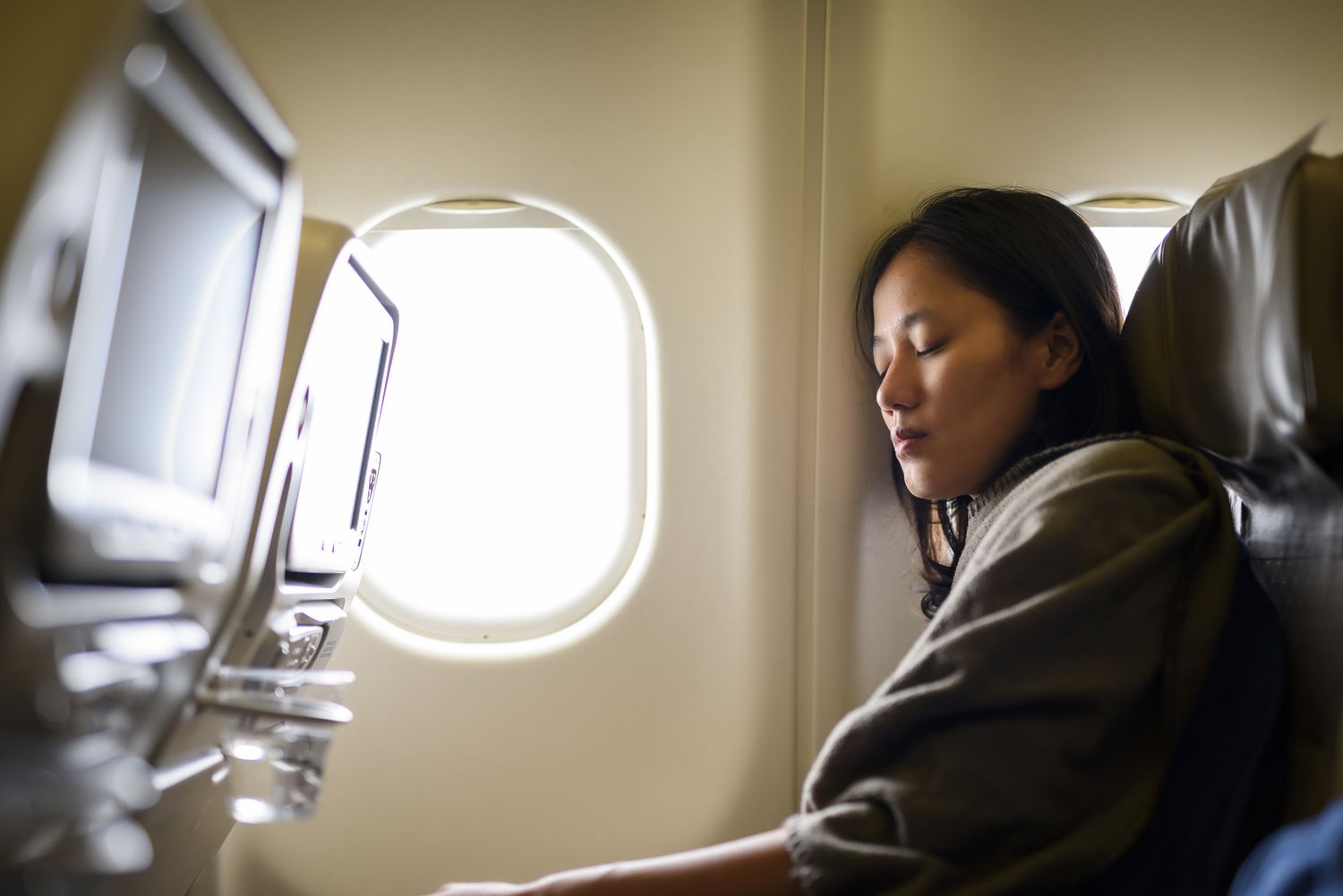
Tip: Try to sleep on the plane if it will be nighttime at your destination when you arrive. Use earplugs, eye masks, and neck pillows to create a comfortable sleep environment. Benefit: Sleeping during the flight according to your destination’s time zone helps you adjust your body clock and feel more rested upon arrival.
7. Move Around and Stretch:
Tip: Take breaks to walk around the cabin and do light stretching exercises during your flight. This improves circulation and reduces the risk of deep vein thrombosis (DVT). Benefit: Moving around helps prevent stiffness and keeps your energy levels up, making it easier to adjust to your new time zone.
8. Avoid Heavy Meals Before and During the Flight:
Tip: Eat light meals that are easy to digest, and avoid heavy or rich foods that can make you feel sluggish. Benefit: Light, nutritious meals can help maintain your energy levels and reduce the risk of digestive discomfort, which can exacerbate jet lag.
9. Use Supplements Wisely:
Tip: Melatonin supplements can be helpful for some travelers to regulate sleep patterns. Consult with a healthcare provider before using melatonin or other sleep aids. Benefit: Melatonin can assist in resetting your internal clock, making it easier to fall asleep and wake up according to your destination’s schedule.
10. Stay Active Upon Arrival:
Tip: Once you reach your destination, engage in light exercise, such as walking or yoga. Avoid napping, and try to stay awake until a reasonable bedtime. Benefit: Physical activity helps boost your energy levels and adjust to the local time, reducing the symptoms of jet lag.
Conclusion: Jet lag doesn’t have to be an inevitable part of long-haul travel. By planning ahead and following these practical tips, you can minimize its effects and stay energized throughout your journey. Embrace these strategies to make the most of your travel experience, arriving at your destination ready to explore and enjoy. Safe travels!
